
VIP 2601/3901/46016601: VIP Team Shape Machine
2601/3601/3602/4601/4602/4603/6601/6603 (Variable Credits)
Instructor: Economou
School of Architecture
College of Design
Georgia Institute of Technology
Fall/Spring Semester
The Shape Machine VIP explores novel applications using Shape Machine, a new vector-based shape-rewrite modeling technology developed at the Shape Computation Lab at the College of Design at Georgia Tech. The Shape Machine VIP course aims to cater students with varied interests, such as core software development spanning from front-end to back-end frameworks, and software design, to user interaction design and testing, and entrepreneurship/ market discovery for Shape Machine applications.
The course is project-based and provides each student the opportunity for deeper engagement on a broad range of topics that they find exciting and interesting. For instance, a student with a background in computer science could choose to their research project on adding a feature to Shape Machine or make a new plugin integration to a CAD tool. Similarly, a student with a background in Design or Entrepreneurship could choose Designing plugins and websites or work on market discovery.
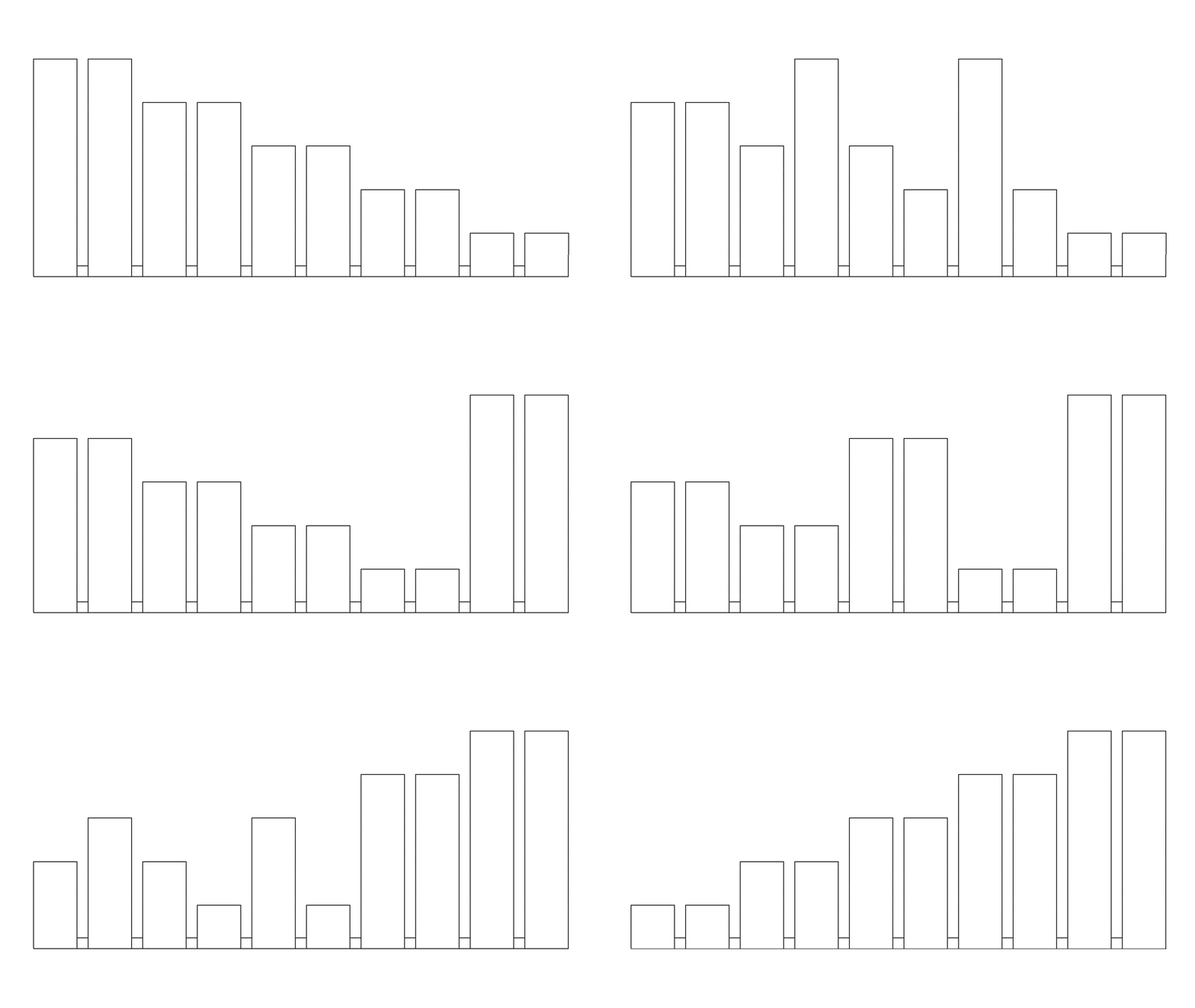
The current version of Shape Machine is implemented in Rhino, a NURBS 2D/3D CAD software and features shape-based search and replace (⌘F/⌘-R) operations and a logical processing framework to allow programming code by drawing shapes. Notably, Shape Machine can interpret DrawScript, a Turing-complete, imperative programming language that uses shapes instead of lines of code. Unlike the node-based or object-oriented applications typically used by AEC professionals, DrawScript is visually intuitive for anyone, regardless of their previous programming experience and offers a unique way to learn programming and to gain visual intuition for common programming problems extending beyond design.
The Shape Machine VIP is part of the Georgia Tech Vertically-Integrated Projects (VIP) Program and operates in a research and development context. Undergraduate students that join VIP teams earn academic credit for their participation in design/discovery efforts that assist faculty and graduate students with research and development issues in their areas of expertise.
The teams are: Multidisciplinary: drawing students from all disciplines on campus; Vertically-integrated: maintaining a mix of sophomores through PhD students each semester; and Long-term: each undergraduate student may participate in a project for up to three years and each graduate student may participate for the duration of their graduate career.